

Fireplace Damper vs. Flue: A Homeowner’s Guide
If you have a fireplace, you’ve probably heard the terms “damper” and “flue,” but you may not know exactly what each one does. While they work together to safely vent smoke and gases from your fireplace, they serve different purposes. Here’s what Rochester and Spencerport, NY homeowners should know about the difference between a fireplace damper and a fireplace flue.
What Is a Fireplace Damper?
A fireplace damper is a movable plate or valve located inside the chimney that controls airflow between your fireplace and the flue. When you’re using your fireplace, the damper should be fully open so smoke and combustion gases can escape through the chimney. When the fireplace isn’t in use and the ashes have cooled, you can close the damper to help prevent drafts and heated or cooled indoor air from escaping.
What Is a Fireplace Flue?
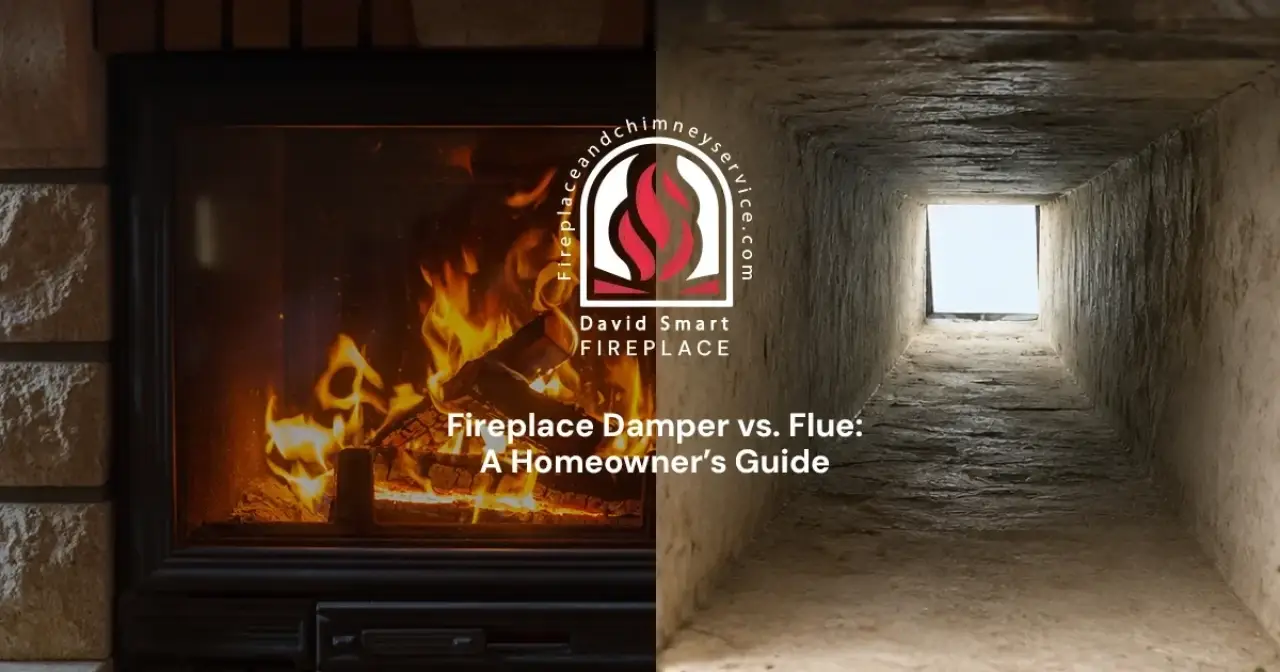
A fireplace flue is the passage inside your chimney that carries smoke, gases, and other combustion byproducts safely out of your home. It runs from the fireplace up through the chimney and needs to remain clear and in good condition for proper ventilation. A damaged or blocked flue can prevent your fireplace from venting properly and may create serious safety concerns.
What's the Difference Between a Fireplace Flue vs. Fireplace Damper?
The easiest way to understand the difference between a fireplace flue vs. fireplace damper is to think of the flue as the pathway and the damper as the mechanism that controls airflow through that pathway.
-
Purpose: The flue provides a passage for smoke and gases to leave your home, while the damper controls airflow through the flue.
-
Location: The flue runs through the chimney, while the damper is typically located near the top of the fireplace firebox or at another point within the chimney system.
-
Movement: The flue is a fixed passage, while the damper opens and closes.
-
When in use: The damper should be open when you have a fire burning so smoke and gases can vent through the flue.
-
Maintenance: Both the damper and flue should be inspected regularly to identify problems such as buildup, damage, or blockages.
-
Safety: A properly functioning flue and damper work together to help keep smoke and combustion gases from entering your living space.
Protect Your Fireplace and Chimney With Professional Service
Understanding the difference between a fireplace flue vs. fireplace damper can help you use your fireplace safely, but both components need to be in good working condition. Our team at David Smart Fireplace can inspect your fireplace and chimney, identify potential issues, and provide the service you need. If you’re in Rochester, Spencerport, or a nearby New York community, contact us today or schedule your fireplace and chimney service.